Get free quotes from calibration services near you
Takes about a minute. Free, no obligation; providers reply to you directly.
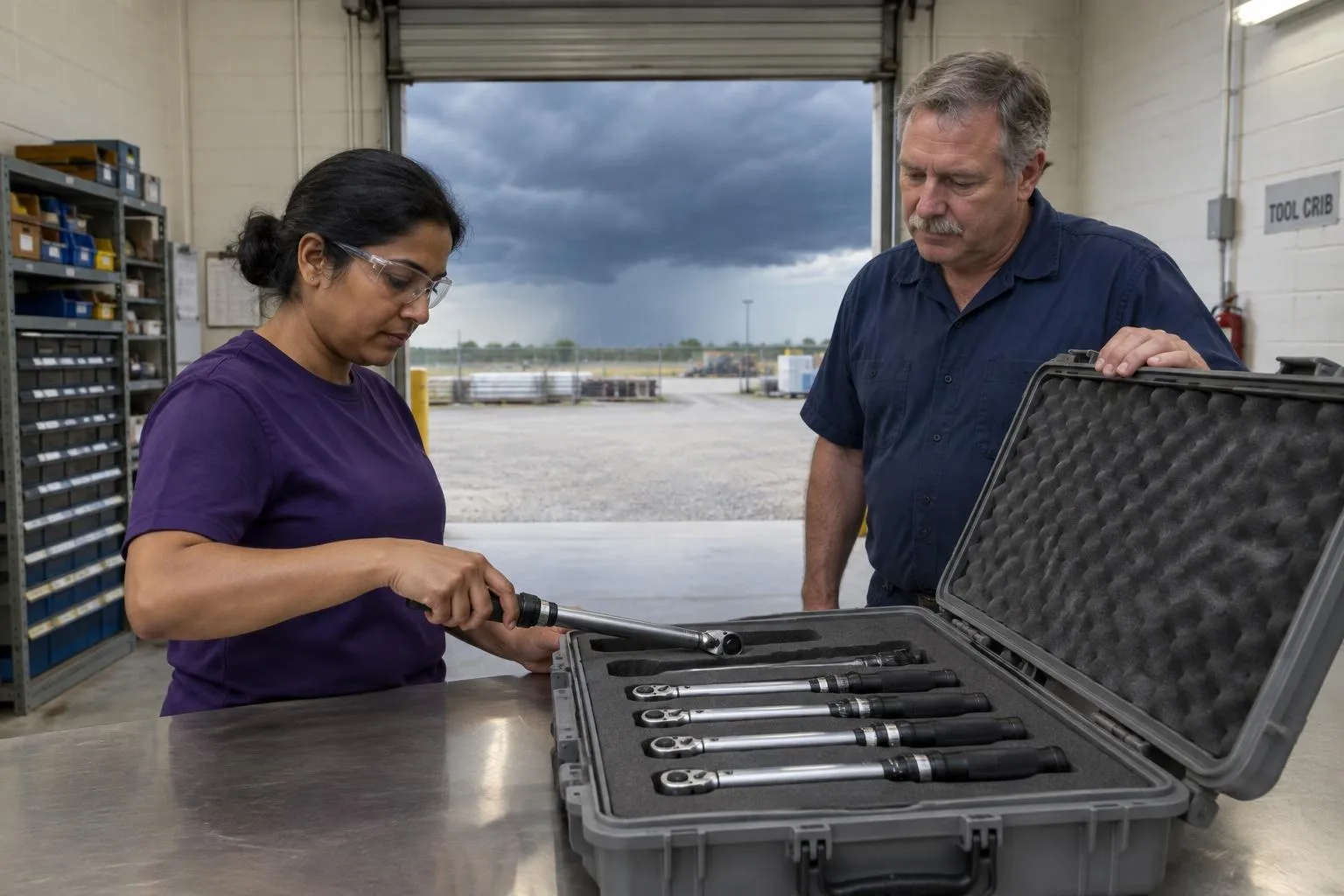
My quality manager called me at 7 AM on the morning of our ISO 9001 surveillance audit. Our torque wrench had just come back from a “calibration service” with a certificate — but the auditor was asking for an ISO/IEC 17025-accredited lab report, and what we had wasn’t it. Two hundred dollars and three weeks of turnaround time, and we’d used the wrong service entirely.
That’s the confusion nobody warns you about: “calibration laboratory” and “instrument calibration service” sound like they mean the same thing. They don’t. And mixing them up can cost you a passed audit, a production shutdown, or both.
The Short Version:A calibration laboratory is an accredited, fixed facility that delivers the highest accuracy and audit-proof documentation. An instrument calibration service (field calibration) sends a technician to you, minimizing downtime and shipping costs. Most quality-critical operations need both — lab calibration for precision and compliance, field calibration for speed and volume.
Key Takeaways:
- Lab calibration achieves the lowest possible measurement uncertainty; field calibration trades some accuracy for speed and convenience
- Field calibration eliminates shipping costs and same-day turnaround is common — lab calibration introduces significant logistical overhead
- ISO/IEC 17025-accredited lab certificates satisfy auditors in ways that field calibration certificates often can’t
- For large fleets of instruments or equipment that can’t be moved, field calibration is almost always the better economic choice
What Makes a Calibration Laboratory Different
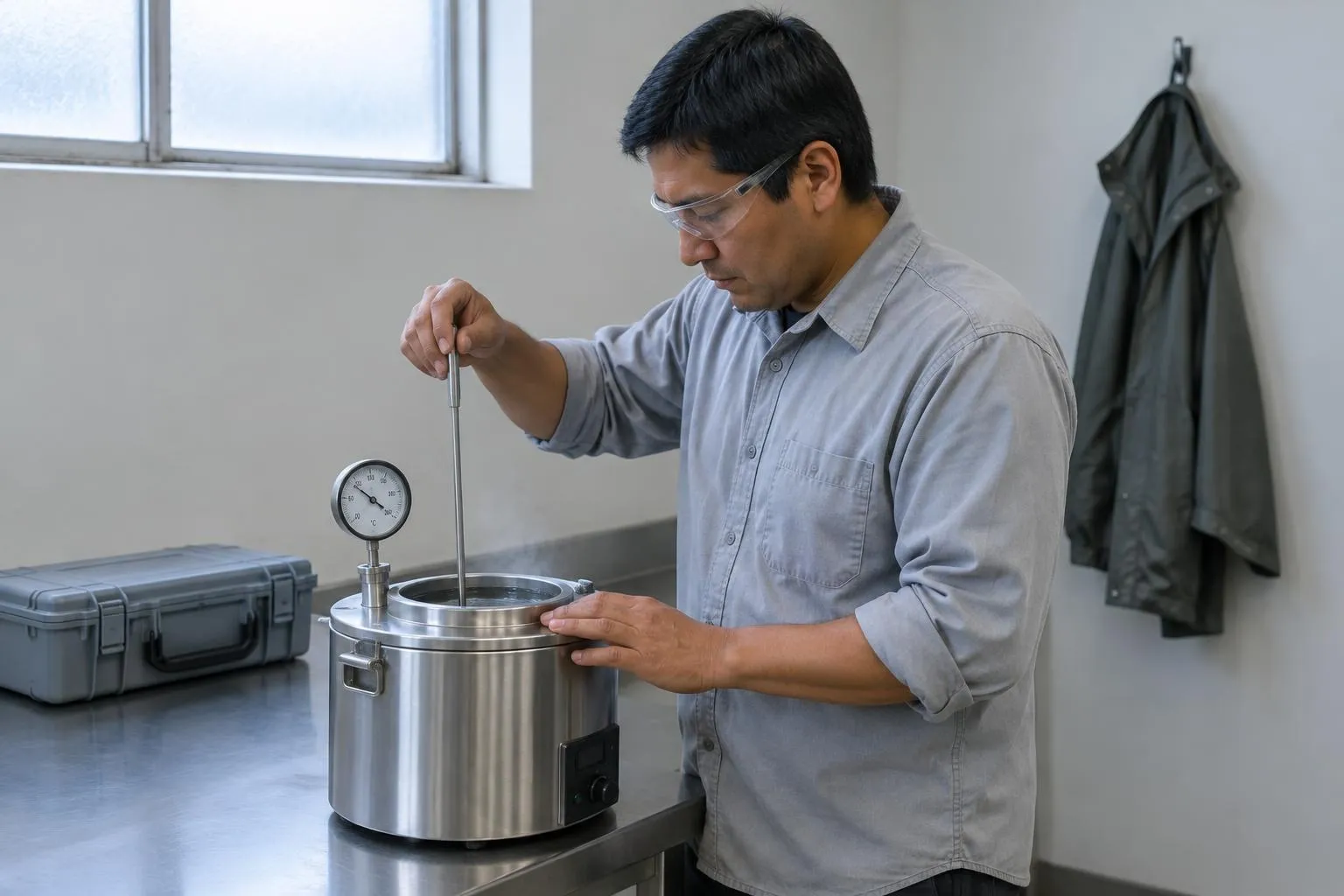
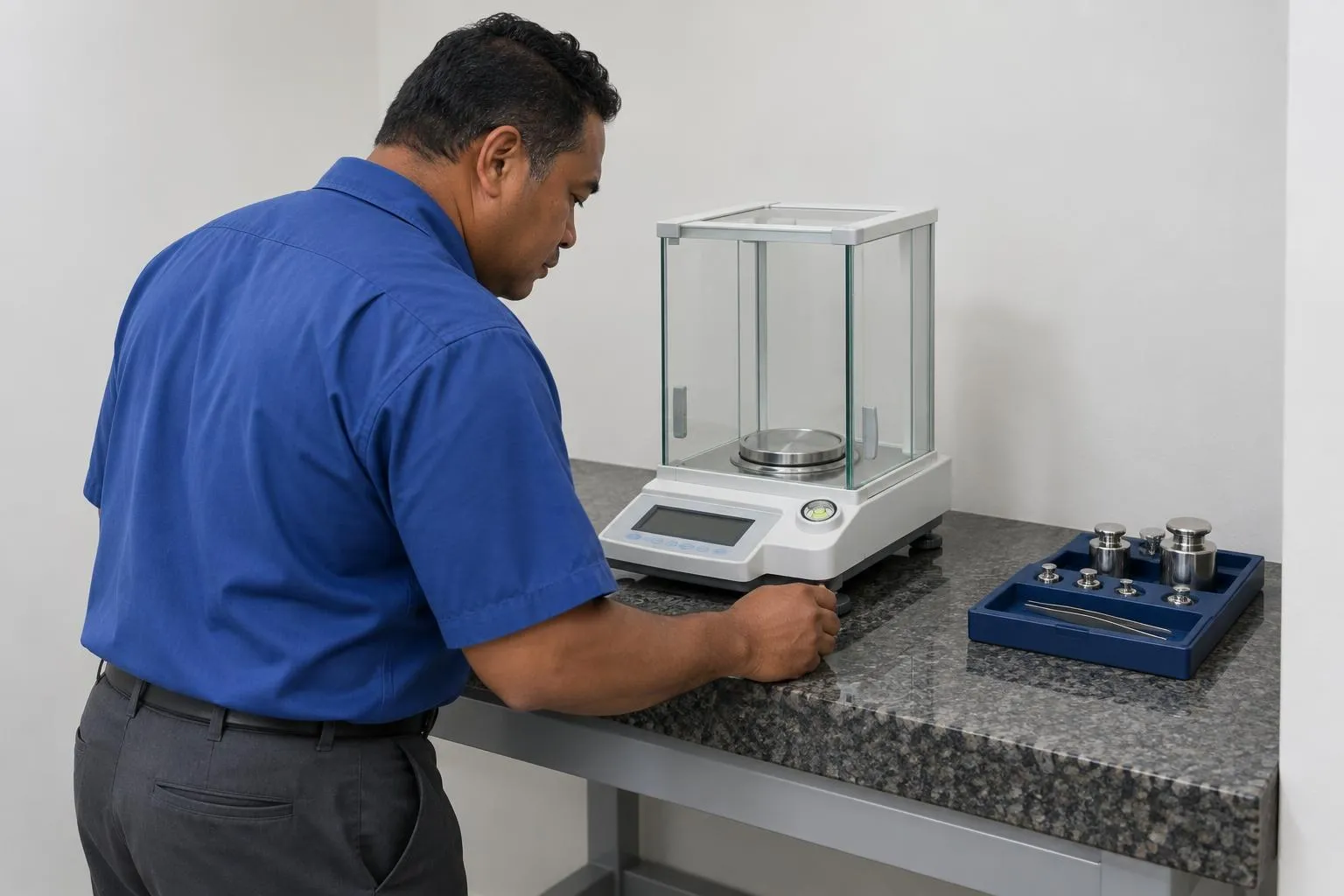
A calibration laboratory isn’t just a place with test equipment. It’s a controlled environment — regulated temperature, humidity, altitude, and barometric pressure — where your instruments are compared against reference standards traceable to NIST. The good ones carry ISO/IEC 17025 accreditation from bodies like A2LA or NVLAP, which means an independent third party has verified their competency and measurement traceability.
That accreditation scope certificate matters. It tells you exactly which parameters, measurement ranges, and uncertainty levels a lab is authorized to calibrate. An accredited lab’s certificate documents “as found” and “as left” data, the reference standards used, load test points, and environmental conditions at time of test. That’s what auditors want to see.
They also own equipment you can’t afford in-house: auto-collimators, interferometers, rotary tables. The capital investment required to match a proper metrology lab is prohibitive for most operations. That’s the point — you’re paying for access to infrastructure and expertise, not just a signature on a form.
Here’s what most people miss: lab calibration is slower by design. Packing, shipping, queue time, and return shipping can add days or weeks of downtime per instrument. That’s a real operational cost, especially in production environments.
What Field Calibration Is Actually Good At
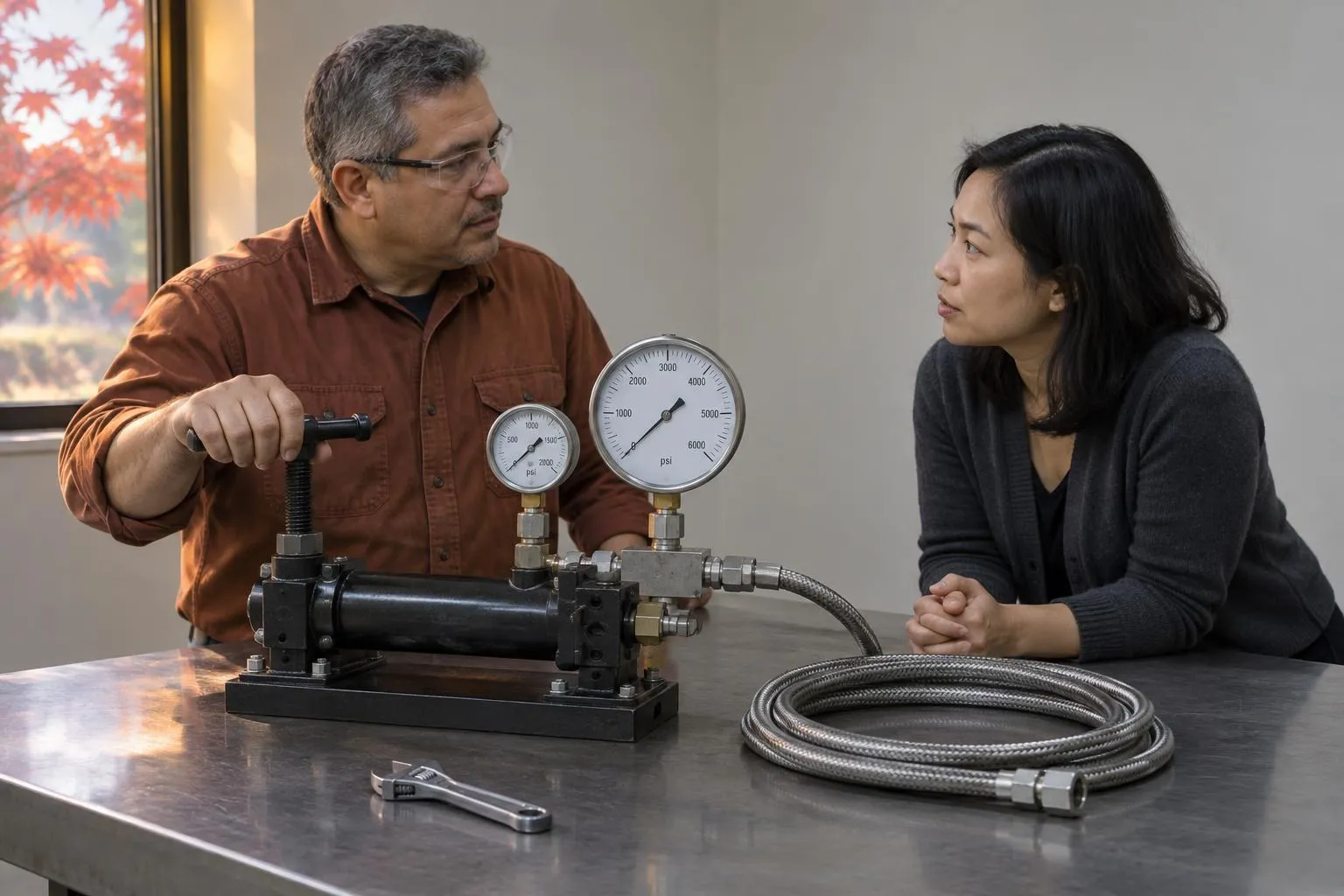
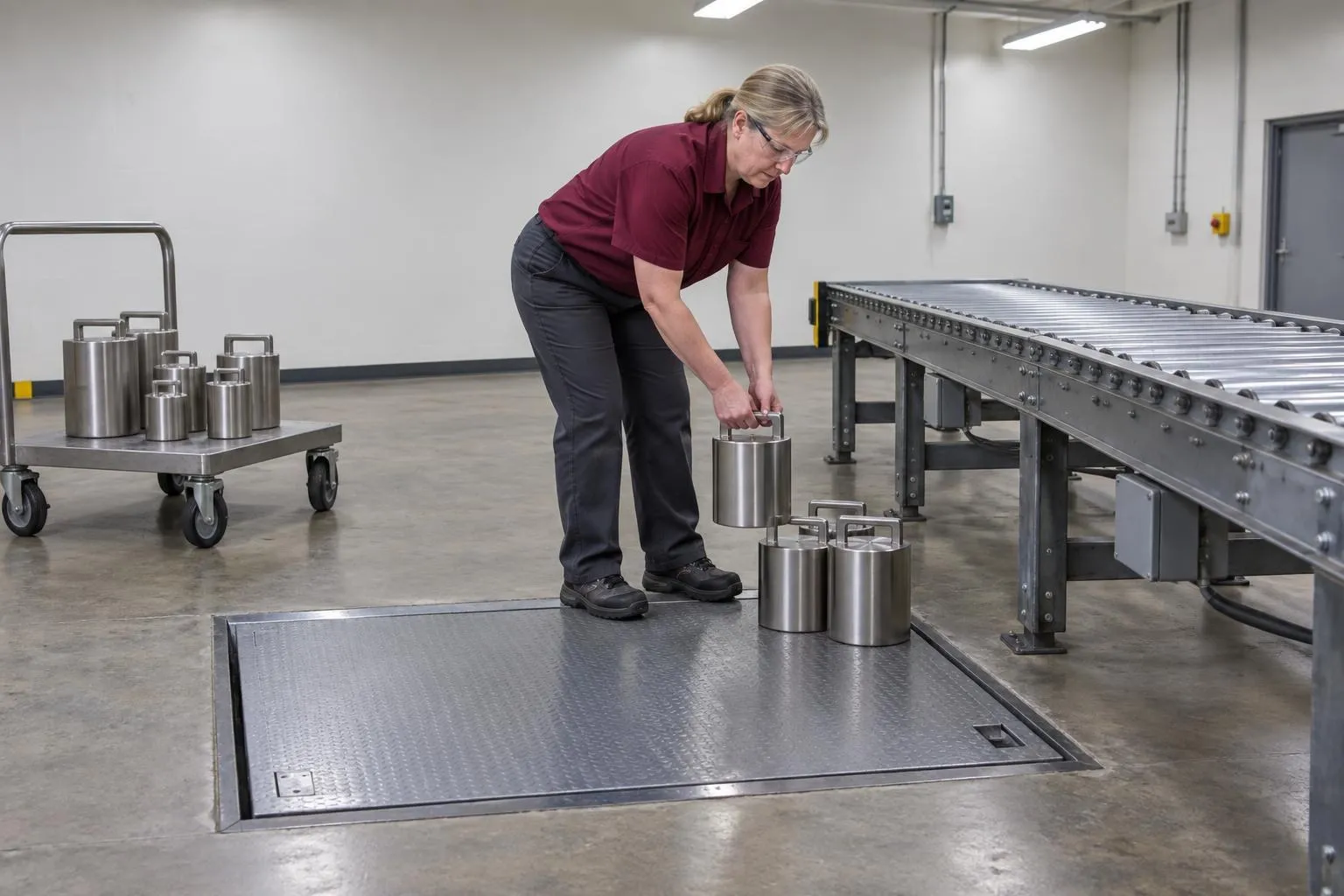
An instrument calibration service sends a technician to your facility with portable reference standards. Your equipment never leaves. Calibration happens at the point of use, often the same day.
For large batches of instruments, this is dramatically more cost-effective. No packing. No shipping. No risk of damage in transit. And for equipment that can’t be moved — integrated systems, permanently installed sensors, production-line gauges — field calibration isn’t just convenient, it’s the only practical option.
Reality Check:Field calibration does maintain NIST traceability, but the chain is less direct. It relies on the field standard’s calibration certificate, not a controlled lab environment. That’s fine for most operational checks, but it may not satisfy organizations requiring ISO-accredited certificates for compliance documentation.
The tradeoff is scope. Portable equipment can’t replicate what a fixed lab can do. Field technicians can verify and adjust. They generally can’t perform complex repairs or calibrations requiring specialized bench equipment.
Side-by-Side: Lab vs. Field Calibration
| Factor | Calibration Laboratory | Field Calibration Service |
|---|---|---|
| Accuracy / Uncertainty | Highest possible | Good — but limited by portable standards |
| Traceability | Direct, comprehensive | Maintained, less direct chain |
| Instrument downtime | High (shipping + queue) | Minimal — same-day possible |
| Cost per instrument | Higher | Lower, especially in volume |
| Logistics overhead | Packing, shipping, handling costs | Technician travel only |
| Repair capability | Yes — bench and specialized | Limited to field-adjustable |
| Audit documentation | ISO 17025-compliant certificates | May not satisfy ISO audit requirements |
| Immovable equipment | Not an option | Ideal use case |
| Best for | Precision, compliance, R&D | Speed, volume, uptime |
When You Actually Need Both
Most operations don’t choose between lab and field calibration — they run both, for different instruments and different purposes.
Pro Tip:Use lab calibration for your reference standards and highest-precision instruments (the ones your quality system depends on), then use field calibration to periodically verify production instruments against those standards. This gives you a defensible calibration hierarchy without shutting down operations every time something needs a check.
A pharmaceutical manufacturer running daily production doesn’t send every pressure gauge to a lab every 90 days. But their master reference instruments — the ones that define “correct” for everything else — absolutely go to an accredited lab. The field technician verifies working instruments against a standard that was itself recently lab-calibrated. That’s the hierarchy.
For ISO 9001 or AS9100 audits, you need the lab certificates at the top of that chain. For operational continuity, you need field calibration to keep everything else running.
The Real Cost Question
People focus on the per-service price and miss the full picture. Lab calibration’s sticker cost often looks lower per instrument — until you add shipping both ways, insurance for high-value equipment, packing materials, and the cost of whatever that instrument wasn’t doing while in transit.
For a single precision instrument you calibrate once a year, lab calibration is usually the right call. For a facility with 200 pressure gauges on a quarterly schedule, field calibration almost certainly wins on total cost.
Reality Check:Damage during shipping is a real risk with lab calibration. For fragile or expensive instruments, that risk alone can flip the economics.
Practical Bottom Line
If you’re buying calibration services and not sure which type you need, here’s the decision framework:
- Compliance audit coming up? Get lab calibration with ISO/IEC 17025 accreditation from A2LA or NVLAP. Verify the lab’s scope certificate covers your specific parameters and ranges before you ship anything.
- Large volume, routine operational checks? Field calibration — it’s faster, cheaper at scale, and keeps your equipment in service.
- Equipment that can’t be moved? Field calibration only.
- Building a calibration hierarchy for your quality system? Lab-calibrate your reference standards; field-calibrate working instruments against those.
- Not sure what your auditor actually needs? Ask them specifically for the accreditation standard and documentation format before you spend money.
Most quality programs end up with a mix: one or two accredited lab relationships for high-stakes instruments, and a field calibration provider for operational volume. The mistake is treating them as interchangeable — they serve different roles in the same system.
For a deeper foundation on accreditation, traceability chains, and how to evaluate a lab’s scope certificate, start with The Complete Guide to Calibration Laboratories.
If you are planning or renovating a laboratory, Labs USA’s guide to planning and furnishing a new laboratory covers layout, furnishings, and setup decisions worth making before you build the calibration program.
Done reading? Get quotes from calibration laboratorys near you.
Takes about a minute. Free, no obligation; providers reply to you directly.
Popular cities:
Nick built this directory to help quality teams find accredited calibration labs without wading through unaccredited shops that can’t support an ISO audit — a gap he discovered when sourcing calibration vendors for a manufacturing client whose instrument traceability chain failed a third-party audit.